Make Your RK Convention Centre Wedding Feel Truly Yours With the Right Planning
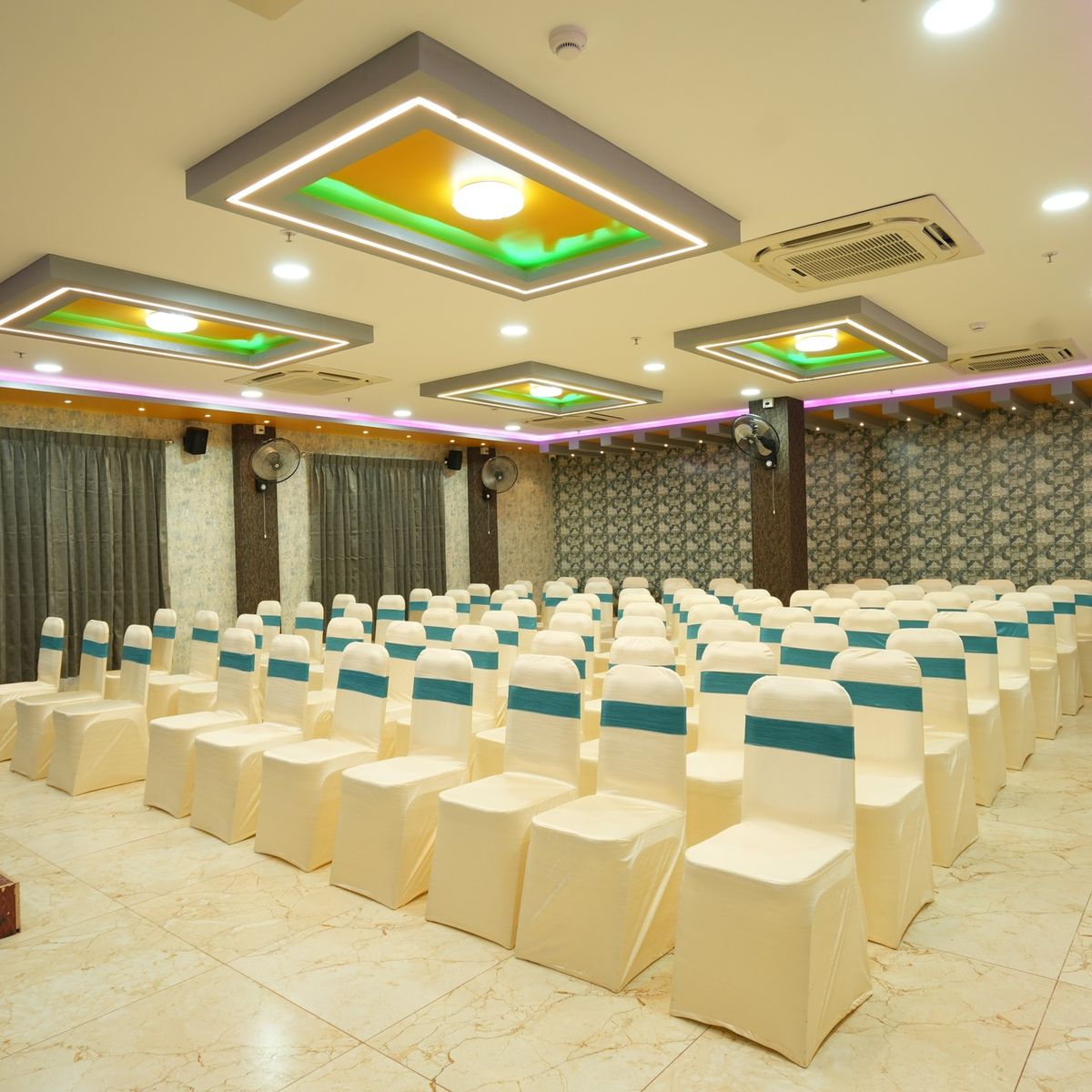
A spacious venue gives you more possibilities, but it also means that seating, stage design, guest movement, dining and decoration need to be planned with the overall space in mind.
Before choosing a decor theme or booking individual vendors, think about:
- How many guests are you expecting?
- Which space is appropriate for your function?
- Is the celebration a Muhurtham, reception or both?
- What decor style reflects your family and personality?
- How should catering and dining be arranged?
- Will guests need accommodation?
- How will photography, lighting and entertainment fit into the event?
- Who will coordinate the different vendors on the wedding day?
A thoughtful plan brings these details together instead of treating each one as a separate decision. That is where an experienced wedding planning team can help turn the venue into a celebration that actually feels like yours.
RK Convention Centre Wedding Planning at a Glance
RK Convention Centre can be considered for weddings, receptions and other celebrations where the event requires a larger venue and coordinated arrangements. The right space should be selected based on your guest count, function type, seating, dining, stage and entertainment requirements.
Before booking, confirm the current venue rules, timings, available facilities, vendor permissions and applicable charges directly with the venue. Planning the decor, catering and vendors around the actual space can help create a smoother and more personalised celebration.
What You Should Know Before Choosing the Venue for Your Wedding
The first step is understanding how the venue fits your particular wedding.
RK Convention Centre is located in the Chennai ECR corridor, making the location relevant for families planning celebrations in and around this part of the city. For a large wedding, however, accessibility is only one part of the decision.
You should also consider how the venue will work for your guests and vendors.
Think About the Scale of Your Celebration
A wedding with several hundred guests has different requirements from an intimate family function. The stage, dining arrangement, seating, photography area and guest movement all need to work together.
Before confirming your plan, establish a realistic guest count. This will help you decide which space is appropriate and prevent you from choosing a setup that feels either too crowded or unnecessarily large.
Check the Available Event Spaces
If you are considering different spaces within the property, compare them based on your actual function rather than choosing simply because one looks larger.
Consider:
- Guest count
- Ceremony requirements
- Dining requirements
- Stage size
- Decor scale
- Photography space
- Entertainment setup
- Guest movement
Look Beyond the Main Stage
A wedding venue needs to work from the moment guests arrive until they leave.
Think about the entrance, seating, ceremony, dining, photography and departure as one connected experience.
Parking and accommodation can also become important when guests are travelling from different parts of Chennai or coming from outside the city.
Confirm Current Details Before Booking
Venue information can change, so important details should be confirmed directly before you make a final decision.
Ask about:
- Current hall availability
- Event timings
- Guest capacity
- Dining arrangements
- Parking
- Guest accommodation
- Decor restrictions
- Outside-vendor permissions
- Setup and dismantling timings
- Additional charges
This is particularly important when your wedding involves customised decor or multiple vendors.
Choosing the Right Space for Your Guest Count and Wedding Plans
The right event space should match the way you want your wedding to function.
A large Muhurtham with a traditional ceremony may need a different arrangement from an evening reception where the stage, photography and entertainment become major focal points.
If you are comparing RK Convention Centre and AMRK Banquet Hall, look beyond the name and compare the spaces according to your actual requirements.
Large Celebration vs More Intimate Function
| Planning Need | Larger Celebration | More Intimate Function |
|---|---|---|
| Guest count | Larger gathering | Smaller gathering |
| Decor | Wider visual scale | Focused styling |
| Dining | Larger service requirement | More compact setup |
| Stage | Grand setup | More intimate backdrop |
| Guest movement | Needs careful planning | Easier to manage |
The objective is not to choose the biggest available space. It is to choose the space that allows your guests to move comfortably while giving enough room for the ceremony, dining, decor and entertainment you actually need.
Muhurtham and Reception May Need Different Planning
A traditional Muhurtham often places greater focus on the ceremony area, family seating and cultural decor.
A reception may place more emphasis on:
- Stage appearance
- Couple entry
- Photography
- Lighting
- Entertainment
- Guest interaction
If both functions are being planned at the same venue, discuss the complete schedule with your planner and decorator before finalising the designs.
Don't Choose a Hall Based Only on Photographs
A venue photograph can give you an idea of the overall appearance, but it cannot tell you how your specific guest count, stage, dining and decor will work together.
A site visit is much more useful when making the final decision.
Choosing a Wedding Style and Decor That Reflects Your Story
A large wedding venue gives you room to create an impressive celebration, but that does not mean every corner needs decoration.
The better approach is to identify the areas that matter most and give them a clear visual identity.
Your wedding style can be based on your traditions, personality, function type and preferred atmosphere.
Traditional Tamil Wedding
For a Muhurtham, traditional floral and cultural elements can create a warm and familiar setting.
You could focus on:
- Jasmine and marigold flowers
- Traditional garlands
- Thoranam
- Brass lamps
- Cultural backdrop elements
- Natural floral colours
The ceremony area and stage can carry the strongest traditional details while other areas remain more open.
South Indian Wedding Styling
A South Indian wedding can combine traditional elements with a more structured modern setup.
Floral arrangements, greenery, brass elements and a carefully designed stage can create a strong visual identity without making the venue feel overloaded.
Contemporary Reception
For an evening reception, the design can move toward cleaner lines, modern backdrops, controlled floral arrangements and carefully planned lighting.
The focus can remain on the couple while creating enough visual interest for photography.
Elegant Minimalist Styling
Minimal decor can work particularly well when you want the venue to feel spacious.
Instead of decorating every wall and corner, concentrate on the stage, entrance and a few important guest-facing areas.
Theme-Based and Personalised Decor
A personalised theme can be built around:
- A colour palette
- Favourite flowers
- Family traditions
- Cultural details
- A particular visual style
- Personal photographs or meaningful elements
The key is consistency. The same visual language should flow through the major decorated areas instead of making every part of the venue look different.
Make a Large Venue Feel Personal
The goal should not be to fill the venue. It should be to create focal points that tell your story.
A well-designed stage, welcoming entrance, thoughtful floral details and suitable lighting can make a spacious venue feel warm and personal without excessive decoration.
Wedding Style Comparison
| Style | Ideal For | Design Direction |
|---|---|---|
| Traditional | Muhurtham | Floral and cultural elements |
| Contemporary | Reception | Clean backdrop and modern styling |
| Minimal | Elegant celebrations | Fewer elements, stronger detailing |
| Theme-based | Personalised weddings | Consistent colours and visual identity |
The right style is ultimately the one that fits your celebration, your guests and your priorities — not simply the most elaborate design available.
Creating a Wedding Stage That Looks Beautiful From Every Angle
The wedding stage is one of the most photographed areas of the celebration. At a spacious venue such as RK Convention Centre, the goal should not simply be to make the stage bigger. It should be designed in proportion to the available space so that it looks impressive without making the surrounding area feel crowded.
Before choosing a backdrop from a reference image, consider the actual stage dimensions, seating arrangement and camera positions.
Keep the Couple as the Main Focus
The stage should naturally draw attention to the couple rather than allowing the decor to dominate the photographs.
Consider:
- Stage dimensions
- Backdrop height
- Couple seating
- Family seating
- Guest viewing angles
- Photographer position
- Videographer position
- Space around the stage
For a traditional Muhurtham, floral and cultural elements can frame the ceremony beautifully. For a reception, a structured backdrop with carefully placed flowers and modern details can create a more contemporary appearance.
Plan Lighting Along With the Stage
Lighting should not be treated as an afterthought. It affects how the stage, flowers, clothing and photographs appear.
Before approving the final design, check whether the lighting creates unwanted shadows or harsh brightness on the couple and family members.
For an evening celebration, the lighting should work well for:
- Couple portraits
- Family photographs
- Stage photographs
- Guest photographs
- Video recording
- Wedding entrances
The decorator, photographer and lighting team should discuss these requirements together before the setup is finalised.
Leave Enough Space for Photography
A beautiful backdrop is only useful if the photographer can work comfortably around it.
The stage should allow enough room for family photographs, couple portraits and important ceremony moments without making the area difficult to access.
The best stage design combines visual appeal, practical space and photography-friendly lighting.
Planning Catering Around Your Real Guest Count
Food is one of the most important parts of a wedding and one of the easiest areas to overspend on without proper planning.
Start with a realistic estimate of attendance for each function. The number of guests at a Muhurtham may be different from the number attending an evening reception, so using one fixed number for the entire wedding may not be practical.
Build the Menu Around Your Celebration
Discuss the following with your caterer:
- Expected attendance
- Function-wise guest numbers
- Menu preferences
- Meal timings
- Buffet or other service arrangements
- Dietary requirements
- Service capacity
- Expected changes closer to the event
If multiple functions are being held, plan each meal according to the expected attendance rather than treating the entire wedding as one catering requirement.
Reduce Food Wastage Through Better Planning
Families naturally want to make sure every guest has enough food. However, ordering significantly more than the expected attendance can increase the budget and create unnecessary wastage.
Keep updating the caterer with the latest realistic guest estimate as the wedding approaches.
The objective is simple: good food, sufficient quantity and smooth service without unnecessary excess.
Think About Dining Flow
Catering also needs to work with the venue layout.
Before finalising the setup, understand where guests will enter the dining area, how the buffet will be arranged and whether there will be enough room for people to move comfortably.
For a large celebration, good food alone is not enough. The service should also feel organised.
Making a Large Wedding Comfortable for Every Guest
A guest's experience begins when they arrive at the venue and continues through the entrance, seating, ceremony, dining, photography and departure. Each stage should be planned so guests can move comfortably without confusion or unnecessary congestion.
Make the Entrance Easy to Navigate
Guests arriving from different parts of Chennai may not all be familiar with the venue. Clear directions and a well-organised entrance can make the first few minutes of the event much easier.
The entrance decor should also leave enough room for guests to enter without creating a bottleneck.
Plan Seating Around the Function
Seating should give guests a comfortable view of the stage or ceremony area.
Think particularly about:
- Elderly family members
- Guests with mobility difficulties
- Families with children
- Close relatives participating in ceremonies
- Guests who may need easier access to dining areas
Keep Guest Movement Comfortable
Large decorative structures should not block important pathways.
Photography areas should also be planned carefully so photographers can capture important moments without interfering with guests moving through the venue.
Consider Children and Elderly Guests
A large wedding can involve considerable movement throughout the event. Keeping pathways clear and making important areas easy to reach can make the celebration more comfortable for everyone.
Small practical decisions can have a bigger impact on guest satisfaction than adding another decorative element.
Plan for Outstation Guests
If relatives are travelling from outside Chennai, their needs may be different from those of local guests.
Accommodation, arrival timings and transportation may need to be considered early, particularly for elderly relatives and close family members participating in multiple functions.
Planning Parking, Accommodation and Guest Convenience Early
Parking and accommodation may not be the first things couples think about when they start planning decor, but they can become important on the wedding day, particularly when many guests are attending.
Plan Parking in Advance
Confirm the current parking arrangements with the venue before finalising your guest logistics.
If valet service is available, check the current arrangement, timings and any applicable conditions directly with the venue.
It is also worth considering how guests will travel from the parking area to the entrance, especially elderly guests and families with children.
Arrange Accommodation Based on Actual Need
If accommodation is available at or near the venue, identify who genuinely needs it rather than automatically arranging rooms for every guest.
This may include:
- Close family members
- Elderly relatives
- Outstation guests
- Wedding participants
- Relatives attending multiple functions
Planning this early can make arrival and departure much easier for guests travelling from outside Chennai.
Coordinate Arrival and Departure Timings
The wedding-day schedule should account for more than just the ceremony.
Vendor arrival, decoration setup, family arrival, guest arrival and departure should all be considered while preparing the final timeline.
This helps prevent situations where decorators are still setting up while guests are arriving or vendors are trying to dismantle equipment while family members are still using the venue.
Confirm Current Facilities Before Finalising Plans
Parking availability, accommodation, valet arrangements, timings and other venue facilities should be confirmed directly before they are included in your final wedding plan.
This keeps the planning accurate and avoids relying on older venue information.
What to Confirm Before Bringing Your Wedding Vendors In
Once the venue and overall wedding plan are clear, the next step is making sure your chosen vendors can work within the venue's rules and schedule.
This is particularly important for decor, catering, lighting, sound and entertainment because each team may need different setup time, access and technical arrangements.
Before booking or confirming your vendors, ask the venue about:
- Whether outside decorators are permitted
- Whether you can bring your preferred caterer
- Vendor entry and setup timings
- Loading and unloading arrangements
- Electrical requirements
- Stage installation rules
- Lighting and sound restrictions
- Equipment placement
- Dismantling timings
- Additional charges, if applicable
Confirm Decorator Access Early
If you already have a particular wedding decorator in mind, do not assume they can automatically work at the venue.
Ask about the current rules and, if possible, arrange a site visit with the decorator before approving the final design.
This allows the team to understand the actual space, installation requirements and available setup time.
Coordinate Multiple Vendors Through One Schedule
A wedding can involve several teams working within the same limited setup period.
The decorator may need access before the photographer arrives. The lighting and sound teams may need to complete their installations before guests enter. The caterer may also have a separate preparation schedule.
Having one clear timeline helps prevent these activities from interfering with one another.
How to Make Your Wedding Budget Work Without Unnecessary Spending
A larger venue can create more opportunities for decor and entertainment, but that does not mean every available option needs to be included.
The better approach is to identify where spending genuinely improves the wedding and where money can easily be wasted.
Where Couples Overspend
| Area | Common Waste | Better Approach |
|---|---|---|
| Stage | Oversized decor | Match the design to the actual space |
| Flowers | Excessive coverage | Focus on important visual areas |
| Lighting | Too many fixtures | Prioritise useful lighting |
| Food | Over-ordering | Plan around realistic attendance |
| Entertainment | Too many additions | Choose according to the function |
| Decor changes | Complete redesigns | Reuse suitable elements where practical |
Stage Decor
A large stage does not automatically need an enormous backdrop. The design should be proportional to the space and allow the couple to remain the main focus.
Flowers
Flowers can make a strong visual impact when used strategically. Covering every available area may increase the cost without creating a noticeably better result.
Lighting
Good lighting can improve both the atmosphere and photographs. Adding more fixtures simply because they are available may not produce the same value.
Food
A realistic guest estimate is one of the simplest ways to control catering expenditure and reduce wastage.
Entertainment
Choose entertainment according to the type of celebration and your guests rather than adding multiple performances or activities that may not add meaningful value.
Decor Changes
If several functions are taking place, discuss whether suitable decor elements can be reused or adapted instead of rebuilding everything from scratch.
Where Your Budget Can Add More Value
Once unnecessary spending has been reduced, the budget can be directed toward areas that guests and families are more likely to appreciate.
These may include:
- Food quality and service
- Guest comfort
- Professional photography
- Suitable lighting
- Vendor coordination
- Entertainment that fits the celebration
- Smooth wedding-day execution
There is no single ideal wedding budget because every family's priorities are different. The important thing is to spend according to those priorities rather than simply adding more services.
A Practical Timeline for Your RK Convention Centre Wedding
Good wedding planning does not mean making every decision months in advance. It means completing the important decisions in the right order.
Six to Eight Months Before
Start with the foundation:
- Confirm the venue and date
- Choose your wedding planning team
- Prepare an initial guest estimate
- Decide the broad wedding style
- Identify the major functions
This gives you a framework for the rest of the planning.
Three to Five Months Before
Move into the main arrangements:
- Decor
- Catering
- Photography
- Videography
- Entertainment
- Guest accommodation, if required
This is also a good time for a detailed site visit with the planner and decorator.
One to Two Months Before
The broad decisions should already be in place. Now focus on refining them.
Confirm:
- Final decor direction
- Vendor responsibilities
- Photography schedule
- Catering requirements
- Guest arrangements
- Wedding-day timeline
Final Weeks
Avoid making unnecessary major changes at this stage.
Reconfirm:
- Final guest count
- Venue timings
- Vendor arrival times
- Decoration setup
- Catering quantities
- Photography schedule
- Entertainment
- Family responsibilities
Wedding Day
The planning team should oversee the setup and coordinate the different vendors according to the agreed schedule.
The family should be able to focus on the ceremony and guests rather than managing individual vendors throughout the day.
What to Look for in a Wedding Planning Team
Choosing a wedding planner is not simply about finding someone who can arrange decoration.
For a larger venue and a multi-vendor celebration, the planner should be able to understand the space, manage different teams and keep the event moving according to the agreed schedule.
Look for Venue Understanding
A planner should be willing to understand the actual venue before finalising the decor.
If they have worked at the venue previously, their familiarity may help with practical planning. If they have not, a proper site visit becomes even more important.
Look for Experience With Large Celebrations
A large wedding can involve more guests, more vendors and more moving parts.
Ask whether the planner has experience managing celebrations of a similar scale.
Look for Transparent Quotations
The quotation should clearly explain what is included and identify anything that may cost extra.
This makes it easier to compare options and prevents misunderstandings later.
Look for Strong Communication
Your planner may need to coordinate with the decorator, caterer, photographer, entertainment team and venue.
Clear communication between these parties can make a significant difference to the final execution.
Look for Practical Planning
A good planner should be willing to tell you when an idea may not work well for the venue or budget.
The goal is not to say yes to everything. It is to build a plan that works.
Questions to Ask Before Choosing Your Wedding Planner
Before making your final decision, ask the planner a few practical questions.
- Have you worked at this venue before? If yes, ask about their experience. If not, ask whether they will conduct a site visit before finalising the plan.
- Will you conduct a site visit? A site visit allows the planner to understand the space, access points, stage area, guest movement and setup requirements.
- What is included in the quotation? Ask for clarity about the scope of work and whether any services or requirements are charged separately.
- Can the decor be customised? Your wedding should reflect your preferences rather than simply using a standard design.
- Who coordinates the vendors? Understand who will communicate with the decorator, caterer, photographer, entertainment team and venue.
- How are venue restrictions handled? Ask how the planner will manage requirements related to setup, decoration, electrical work, sound or other venue conditions.
- Who manages the wedding-day setup? Know who will be responsible for coordinating the teams on the actual day.
- Are there additional charges? Ask about possible additional costs before finalising the agreement.
Clear answers to these questions can help you choose a planner based on their planning process and execution ability rather than price alone.
Wedding Planning Mistakes That Can Affect Your Celebration
Even a well-chosen venue can become difficult to manage if important decisions are made in the wrong order.
Choosing Decor Before Understanding the Space
A design that looks impressive in another venue may not work with your actual stage, seating or guest count.
Underestimating Guest Movement
Large weddings need enough room for guests to move between important areas without congestion.
Overspending on Stage Decor
More decoration does not automatically create a better stage. Proportion, lighting and placement matter more.
Over-Ordering Food
A realistic guest estimate can help control catering costs and reduce unnecessary food wastage.
Treating Photography and Lighting as Separate Decisions
The lighting should support the photography rather than creating shadows, harsh brightness or distracting reflections.
Not Confirming Vendor Access
Outside decorators and other vendors should be confirmed with the venue before they are booked.
Overlooking Accommodation and Parking
These details can become important for elderly guests, families with children and relatives travelling from outside Chennai.
Leaving Coordination Until the Last Minute
When multiple vendors are involved, last-minute coordination can create avoidable stress.
A clear schedule and one responsible planning team can help keep the wedding organised.
Bringing Your RK Convention Centre Wedding Together With Vinayaka Weddings
Once the venue, guest arrangements and individual vendors are planned, the next challenge is making sure everything works together on the wedding day.
Vinayaka Weddings can coordinate the celebration around your requirements, bringing together venue-specific decor, stage styling, lighting, catering coordination, photography coordination, entertainment, vendor management and wedding-day execution.
The focus is not on adding more services simply because they are available. It is about creating a practical plan that fits the venue, guest count, preferred style and budget.
For a wedding at RK Convention Centre, this coordinated approach can help ensure that the decor setup, catering schedule, photography, entertainment and other vendors work from the same timeline instead of being handled separately.
The result is a celebration that feels organised while giving the family more time to enjoy the wedding itself.
Make the Celebration Feel Truly Yours
A beautiful wedding is not simply about choosing a large venue or filling the space with elaborate decor.
It is about making the venue work for your guests, your traditions, your style and the way you want the day to feel.
The right hall arrangement, thoughtful decor, well-planned catering, comfortable guest movement and coordinated vendors can make a significant difference to the experience.
When these details are planned together, the celebration can feel polished without losing its personal character.
Planning Your Wedding at RK Convention Centre?
Connect with Vinayaka Weddings to discuss your decor, vendor coordination and wedding-day planning, and start creating a celebration that feels truly yours.
Frequently Asked Questions
1. Is this venue suitable for a large wedding?
Yes. A spacious venue can work well for a large wedding when seating, dining, stage design and guest movement are planned according to the guest count.
2. What should I check before booking a wedding venue?
Check the date, timings, capacity, dining, parking, accommodation, decor rules, vendor policies, setup time and additional charges.
3. How do I choose the right hall for my guest count?
Start with your realistic guest count and consider seating, dining, stage, photography and entertainment space. The biggest hall is not always the best fit.
4. What type of wedding decoration works well in a large venue?
Traditional floral decor can suit a Muhurtham, while contemporary backdrops and lighting can work well for receptions. Focus on key areas rather than decorating every corner.
5. Can I bring my own wedding decorators and caterers?
This depends on the venue's current policies. Confirm outside-vendor permissions, setup timings, access requirements and additional charges before booking.
6. How should I plan catering for a large wedding?
Estimate attendance for each function, plan the menu accordingly and update quantities closer to the event to maintain quality and reduce food wastage.
7. How can I reduce unnecessary wedding expenses?
Avoid excessive stage decor, floral coverage, lighting and food quantities. Prioritise spending on food quality, guest comfort, photography and smooth coordination.
8. How early should I book a wedding planner?
For a large or multi-function wedding, start several months in advance so there is enough time for venue planning, decor, vendor coordination and wedding-day execution.
Plan the Details. Enjoy the Celebration.
Your wedding should not feel like a collection of separate bookings. When the venue, decor, catering, photography, entertainment and vendors are planned around one clear vision, the entire celebration becomes easier to manage.
Planning a wedding at RK Convention Centre? Let Vinayaka Weddings help you bring your ideas together and create a celebration that feels genuinely yours.


